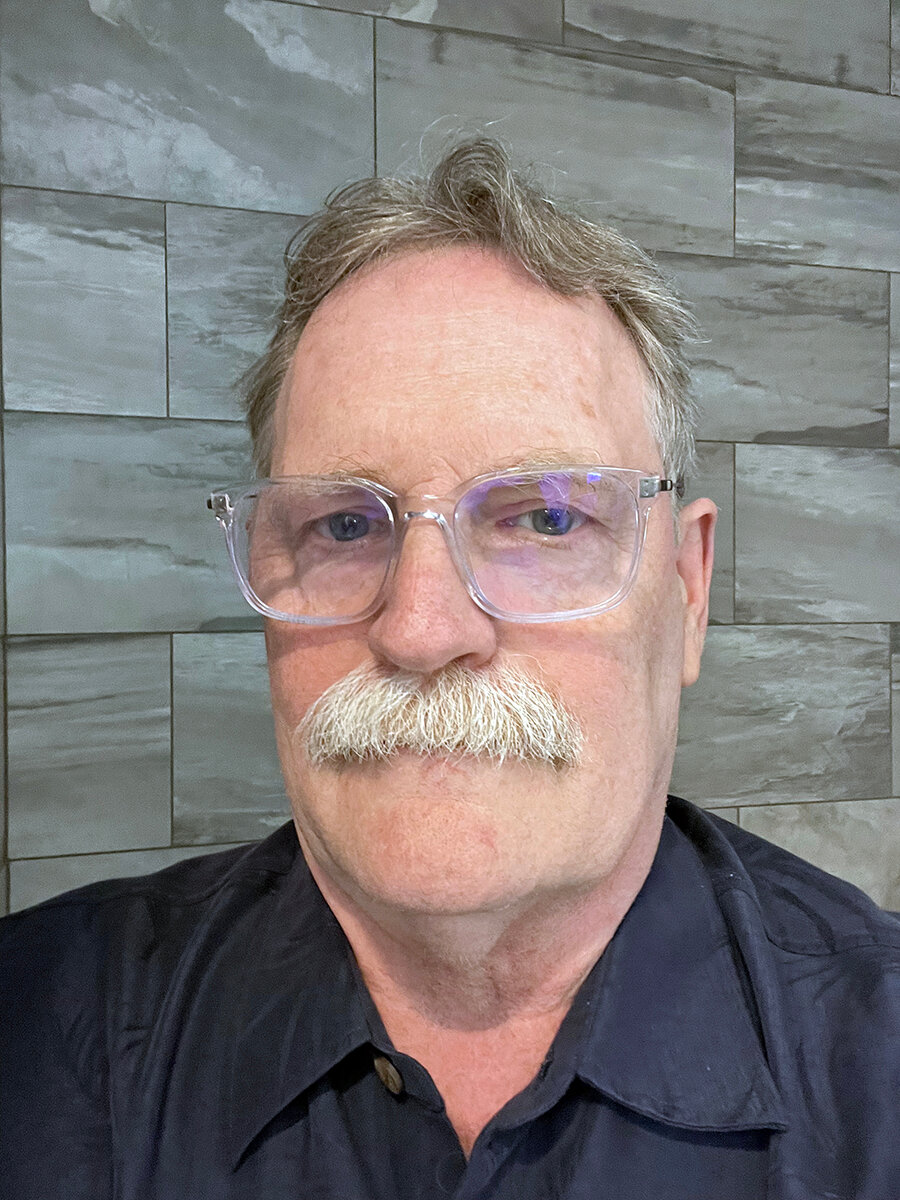
Keith Steck is a resident of Milton.
On the morning of Dec. 9, I watched Sussex County Council’s online broadcast of the Office of State Planning Coordination’s presentation. It was excellent — informative, thorough and, according to council members, helpful. The director and one of the key staffers explained some recent changes, described updated maps and discussed how the office prioritizes funding using a ranking system of 1 through 4, with Level 1 being a high priority for infrastructure funding and Level 4 designated for no funding because those areas are deemed “out of play” (state or federal preserves, private conservation lands, etc.) and not appropriate for building. For us government policy nerds, OSPC is one of the most important state agencies around, even if it is not well known or its role is not thoroughly understood by the average citizen.
And, despite the various disconnects and rough broadcast, I saw part of Delaware transportation secretary Shanté Hastings’ related speech. One point she raised was how “she” (the department) doesn’t have sufficient funding for a public transit network to reach various developments in the rural areas of Sussex County that the OSPC has designated levels 3 or 4, where the state plans to devote little if any infrastructure funding. Unfortunately for Sussex Countians, these areas are exactly where many builders/developers gravitate to and build on — land is cheaper than elsewhere, and much of it is cleared farmland.
But these developers don’t seem to care about the consequences of building in these level 3 and 4 areas. Actions speak louder than words. Though they will protest and say they care, consider the following: They are creating sprawl, and it doesn’t matter to them; they repeat this kind of building all over the county. They also don’t, evidently, care that their buyers will suffer from narrow roads and long drives to distant shops; they keep building in remote parts of the county where the state has no plans to fund infrastructure projects. Worse, they either don’t care or are clueless that these homebuyers will end up in ever-increasing traffic because they still build in areas where the state has limited funding for road improvements and almost no mass transit services, as the Department of Transportation’s secretary noted. Because neither the county nor the state requires developers who build in these areas to pay for road improvements beyond their developments or for mass transit, they don’t. Instead, these homebuyers — and the rest of us throughout the county — invariably experience increased school taxes that school systems impose to meet growing student populations. Why? In large part, developers aren’t required to contribute to cover the costs of new schools or buses. And maybe you wonder or worry about fire protection. Dedicated volunteer firefighters provide it, and because these fire departments are volunteer and not paid, they are always seeking money. And guess what: Developers aren’t required to contribute to the incredibly high costs of fire trucks and other equipment, and rarely do. If they do make big contributions, they get great press coverage because it’s rare! These developers build and sell their homes for a lot of money and make an excellent profit but essentially pay very little for the privilege of building in Sussex County because they don’t have to!
County Council, it’s time to make them pay! Council members, you should impose an impact fee on all developers who build homes and commercial and industrial facilities in Sussex County. These fees should be structured to correspond to where they build. Builders should pay the highest impact fees in remote areas — OSPC levels 3 and 4, where the state discourages building — to compensate for fire departments’ increased costs to provide protection and where schools have to be built to meet demand, and to offset some DelDOT paratransit and other special transport costs. Builders should pay the lowest impact fees in Level 1 areas, where state funds are already designated for high-priority roads, etc., but where fire departments and schools still need funding. The county can collect the fees and allocate a portion to 1.) DelDOT for paratransit and what Councilwoman Dr. Jane Gruenebaum called “microtransit options” during the OSPC presentation; 2.) fire departments; and 3.) school districts. This prioritized impact fee structure would also, hopefully, serve as an incentive for developers to really think about where they are going to build. This fee structure should allay fears that builders will “abandon” Sussex County, which ain’t never gonna happen.
Reader reactions, pro or con, are welcomed at civiltalk@iniusa.org.