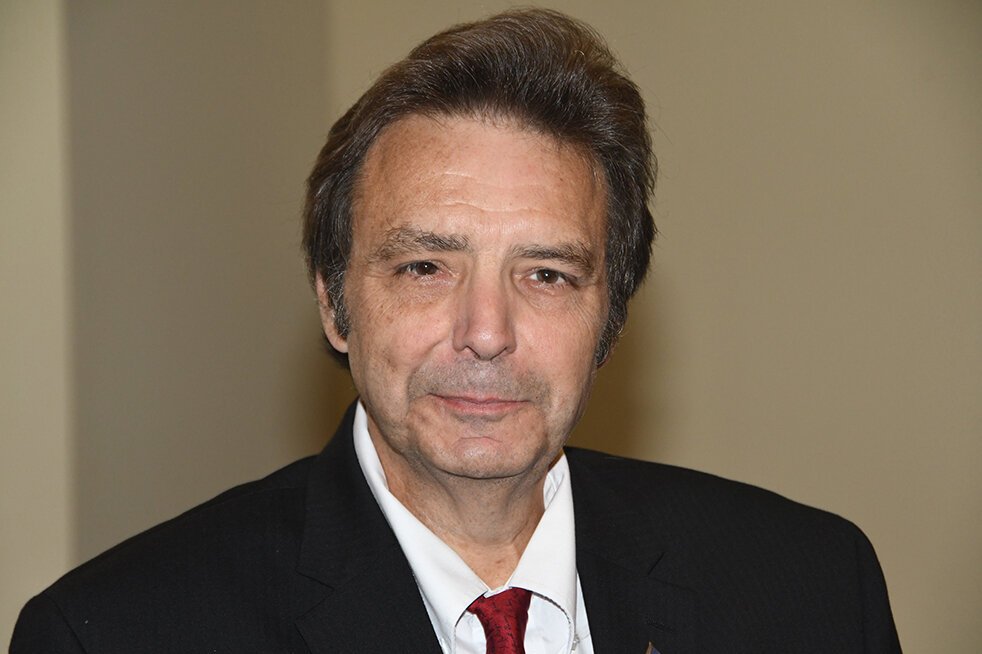
Dr. Samuel B. Hoff is a George Washington Distinguished Professor Emeritus and an internship coordinator in the Department of History, Political Science, Philosophy and Law Studies at Delaware State University. A specialist on the American presidency, he served in three congressional staff positions from 1978-86.
By definition, a presidential executive order is a directive to a cabinet department or administrative agency regarding implementation of a law or policy. Normally, these occur regularly in the course of a presidential administration: Though sometimes counted differently, the most reliable estimate is that there have been over 14,000 executive orders issued by all presidents, including almost 1,000 by chief executives this century. However, the recent manner by which executive orders have been employed during the presidential transition and inauguration period to negate existing policy is antithetical to both purpose and process.
The practice of using executive orders to cancel policies at the outset of a presidency has become prevalent in the current century. For example, the George W. Bush White House immediately reversed a Bill Clinton policy that funded organizations involved in abortion services abroad, among other examples. The Barack Obama team then reversed the aforementioned action, among other quick executive orders, which included changing detainee practices and expanding worker rights in federal contracts. After Donald Trump’s 2016 win, he used an executive order to impose the travel ban on Muslim-majority countries and weakened provisions of the Affordable Care Act right after inauguration. Finally, Joe Biden was busy on Inauguration Day, issuing executive orders changing President Trump’s climate regulations, restoring immigration rights, tightening the Trump administration’s COVID-19 requirements and reinstating federal employment diversity programs.
While there is obvious symbolic impact in showing up the previous presidential incumbent by changing his priorities, it should not be done with a unilateral executive order. First, such utilization bypasses the legislative process, through which a majority must be garnered for passage. In doing so, such devices countermand the will of the people. That is, executive orders are supposed to be used pursuant to a law or statute, not before or in place of one. Second, executive orders are but one of many presidential tools being used illegitimately to countermand the intended purpose of laws. Others include signing statements, pocket vetoes between congressional sessions and presidential “findings” on topics other than national security matters. It is no surprise that, just as constitutional executive powers such as the veto are being used less often, the latter mechanisms are being wielded more.
If there is one rule in American politics, it is that nothing happens in a vacuum. While there have been many instances of congressional acquiescence to unitary executive actions, other legislative reactions encompass passing a law, creating temporary investigatory committees and changing rules on passage. All of these are symptomatic of recurrent split-party control of the executive and legislative branches, and of partisanship run amok.
Too, the courts have intervened to rule on executive orders that lacked constitutional validity. For instance, the U.S. Supreme Court has ruled against chief executives’ employment of executive orders in domestic and foreign policy disputes alike. One such decision came in 1975, when the high court found it was wrong for the Richard Nixon White House to issue an executive order that blocked funds allocated to the Water Pollution Control Act Amendments of 1972.
It usually takes time and resources to create and implement policies. Ditto for changing them. Though it may not be feasible or even desirable to expect long-term consistency in content, attempting to revise rules and regulations in short order must only be done with the national interest in mind. Anything less will lead to a further diminution of respect and support for the institutions we rely on to run the republic.
Reader reactions, pro or con, are welcomed at civiltalk@iniusa.org.