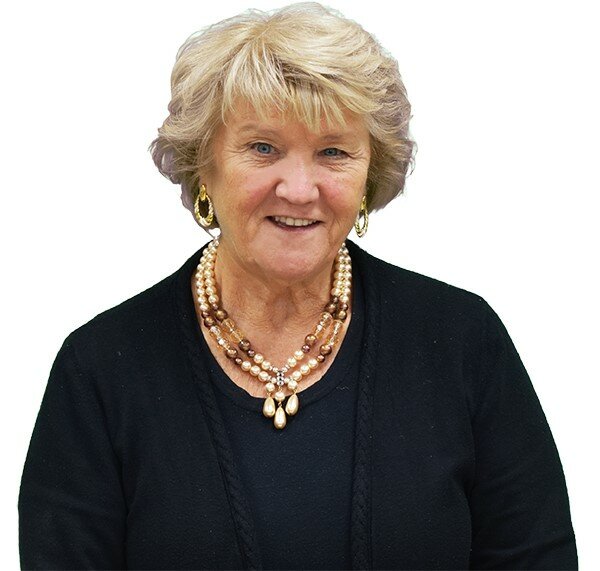
Jane Brady is the chair of A Better Delaware. She previously served as state attorney general and as a judge of the Delaware Superior Court.
Remember the old Western movies in which there’s been a drought, people are starving, the cows are dying, and the crops won’t grow? The hero would come in and “seed” the clouds to make it rain. The movie may have ended well, but the reality was that those efforts were never very successful. What is rain? It is an intermittent resource, provided by nature and which we cannot generate or control.
So, as well, are solar and wind intermittent resources. We cannot generate them; we cannot control them. When and where it blows or shines is outside our ability to control.
And yet, Delaware’s policymakers are feeling pretty superhuman these days. In an effort to eliminate all sources of carbon dioxide (which we will not debate in this article), bills and policies are requiring our electric providers to utilize a greater and greater percentage of the power we use from wind and solar. The result is less reliable and more expensive electricity.
Currently, these intermittent resources are backed up and supported by reliable sources, such as coal, natural gas and nuclear power. But Delaware’s government wants that to end. To help ease the cost of compliance with these restrictive policies, the state is providing significant subsidies to the companies who provide this “green” electricity. They are putting our money where their mouth is.
Delaware used to generate much of the electricity we used here in our state. Now, because we are required by our policymakers to use an ever-expanding percentage of “green”-sourced energy, we get nearly 90% of our electricity from outside the state, losing much of what we pay for as it dissipates in the distance it is transmitted. So, we are paying not just for the electricity we use but also the electricity we lose as it travels to our state.
In April, Senate Bill 265 was introduced to create a framework for wind farms off the coast of Delaware. There are promises of cost constraint, but we have seen how that has gone before. Additionally, there is little regard for what we, the citizens, want. As with the electric vehicle mandate, there is a great deal of opposition to looking off our coast at 140 or so wind turbines. The Department of Natural Resources and Environmental Control promises public hearings on the proposed regulations, but it, and the governor, did not listen to us when they went right ahead with the EV mandate, and they are just as focused on getting this wind farm. That was evident at an informational meeting I attended at Indian River High School recently.
Speakers at the event confirmed the governor’s stated intention to allow four large transmission cables to come ashore in our beloved state park at 3Rs beach. The governor essentially offered that specific alternative because he can bypass public opposition and won’t need to secure the consent of any of the coastal towns that will be affected by the sight of offshore wind turbines and the transition of their beach into an industrial site.
What makes the governor’s offer so much less palatable is that the cables he proposes to bring ashore in our state park are for a Maryland wind farm project. And, apart from the destruction of a portion of our beautiful coast, the cables are intended to go to the old Indian River power plant, traveling only 3-7 feet below the ground or, should I say, below the mud of the bay. Boaters, beware!
Our leaders no longer represent our views. They seem poised to disregard our concerns about our beautiful shoreline, property value losses, loss of tourism and the costs. They are not dealing with the realities of the available technology (at least eight offshore wind projects have been pulled because they could not be commercially successful, even with significant government subsidies), not looking at alternatives that are more cost-effective and promote significant environmental advantages (onshore wind, carbon capture and nuclear), and intentionally disregarding the fact that Delaware is meeting all federal air quality requirements.
And they are being careless with our money. Estimates are that household electric bills will rise by $230-$350 per year, and businesses will see costs rise by many thousands, even millions of dollars.
There will be public hearings on the proposed wind farm regulations. Prior to that, an informational session is scheduled for June 5 from 4-7 p.m. at Beacon Middle School in Lewes. Plan to attend. Be seen. Be heard.
Reader reactions, pro or con, are welcomed at civiltalk@iniusa.org.